
You have an idea — a set of small dishes, a keepsake handprint, a wobbly but charming planter — and a bag of clay in front of you. The only real question is which kind. Air-dry clay and kiln-fired clay sit side by side on the shelf, look similar in the packet and behave nothing alike once the making stops. One hardens on a kitchen windowsill; the other needs a kiln, a firing schedule and a bit of logistics. Neither is the better material. They do different jobs, and the job should decide which bag you buy.
What Each One Actually Is
Air-dry clay is a water-based body mixed with a binder — cellulose fibres, paper pulp or a polymer — that holds the shape once the water evaporates. It is plastic, forgiving and friendly to hands and simple tools. A thin piece can be dry in a day; a solid lump takes several.
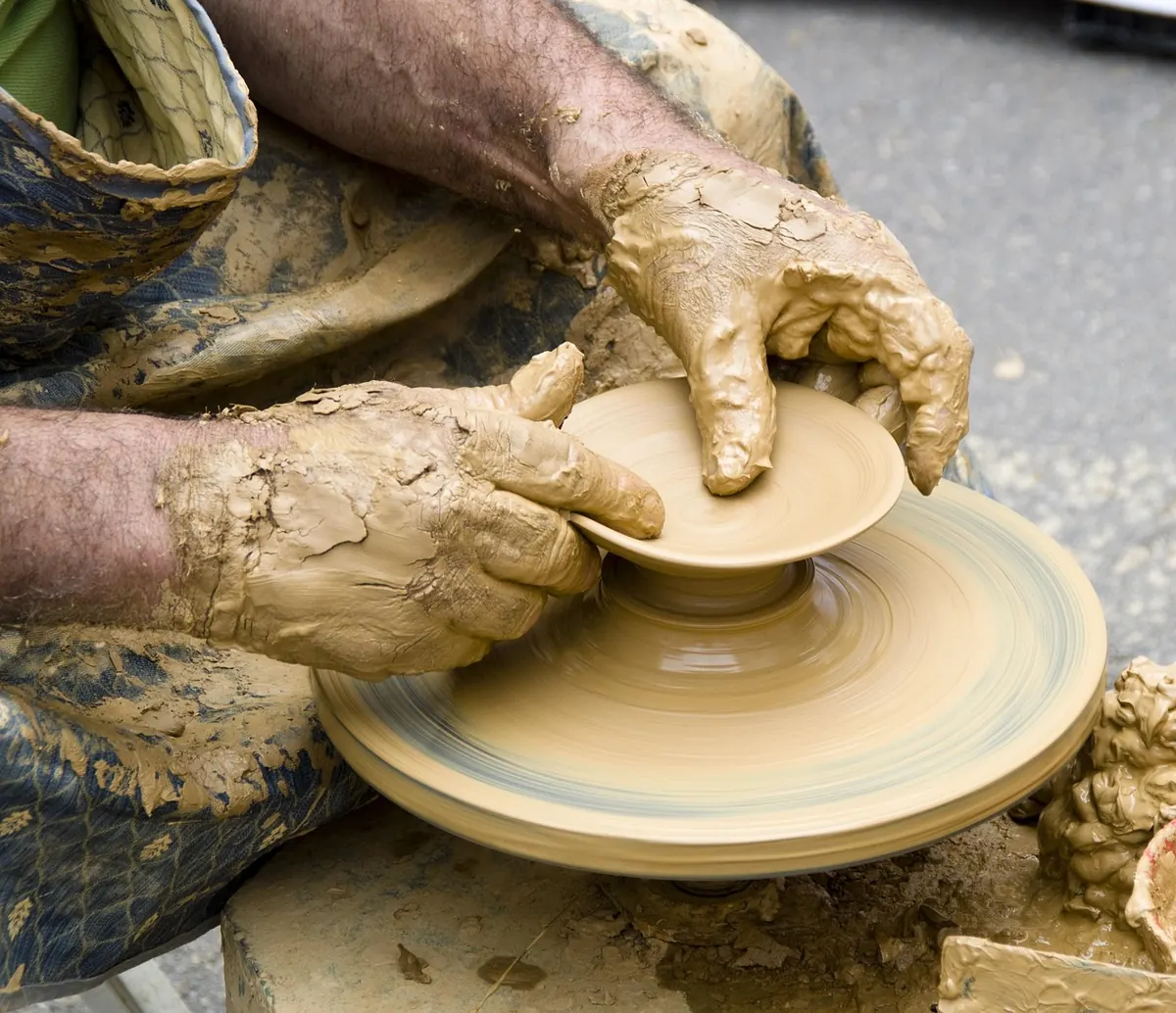
Kiln-fired clay is the real geological stuff: earthenware, stoneware or porcelain, dug from the ground and blended. It stays soft until it goes into a kiln at high temperature, which fuses the particles together. That firing is what turns a fragile, chalky pot into something you can tap against a sink without flinching.
Where the kiln comes in
Most of us do not own one. Community studios, evening classes and kiln-share schemes operate in most towns, and it is worth checking what is available locally before you plan a fired project. If there is genuinely nowhere to fire your work, air-dry clay is not a compromise — it is simply your material.
Cost: The Up-Front Price Is Not the Whole Story
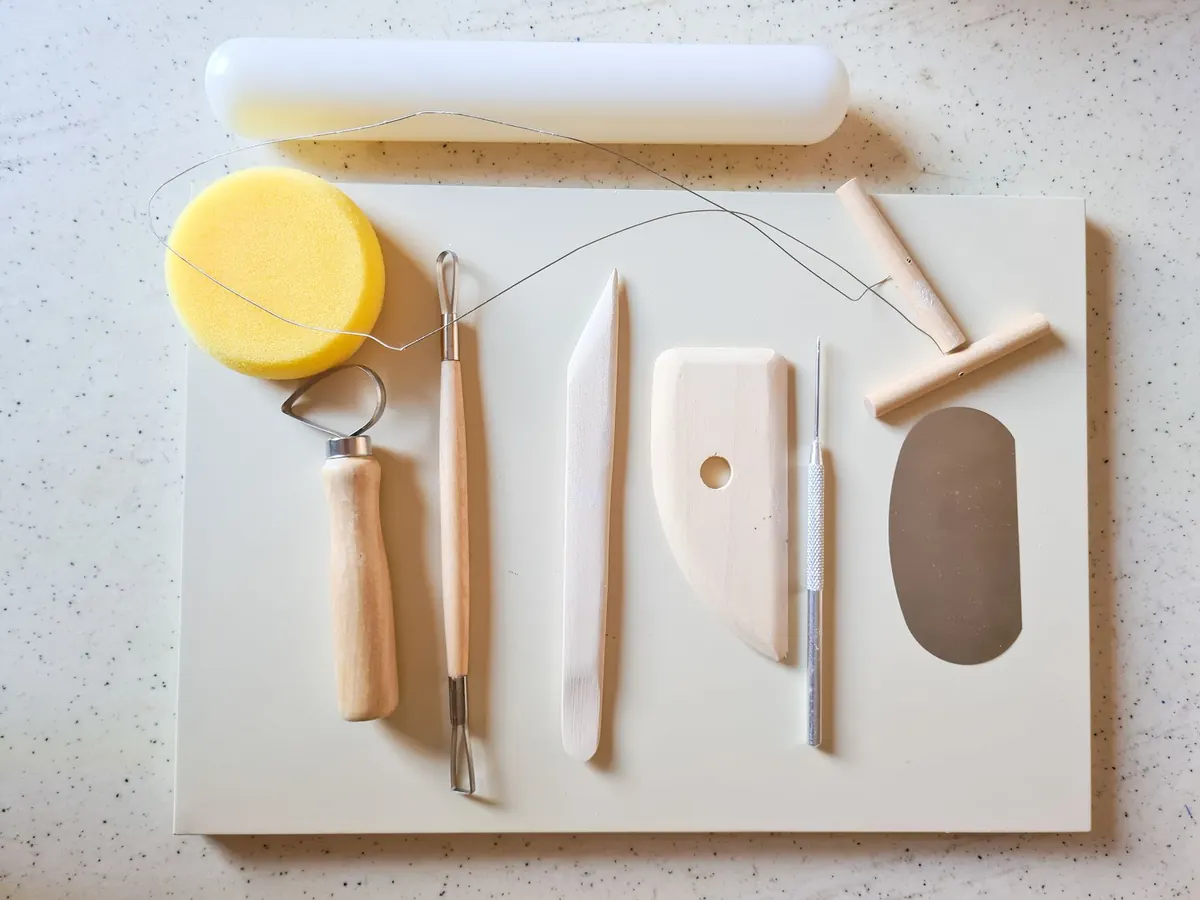
A bag of air-dry clay costs very little, and the equipment list is short: a rolling pin, a cocktail stick, sandpaper, acrylic paint and a pot of varnish. For a one-off gift or an afternoon with children, that is the entire bill.
Fired clay is cheap by weight too, but the hidden costs add up — glaze, firing fees per piece, studio membership, and the sting of a piece that cracks in the kiln. Buying your own kiln means a serious outlay plus ventilation and a suitable power supply. Make ten mugs a week and those costs shrink per item; make one small sculpture a year and they do not.
Think in terms of cost per finished, usable object rather than price per bag. That is the figure that tells you whether the cheaper clay is really cheaper.
Strength and Durability
Air-dry clay is brittle when thin, and it stays porous even when thick. Standing water softens it, frost cracks it, and a dropped piece tends to break rather than chip. Sealing helps, but sealing is not the same as firing.
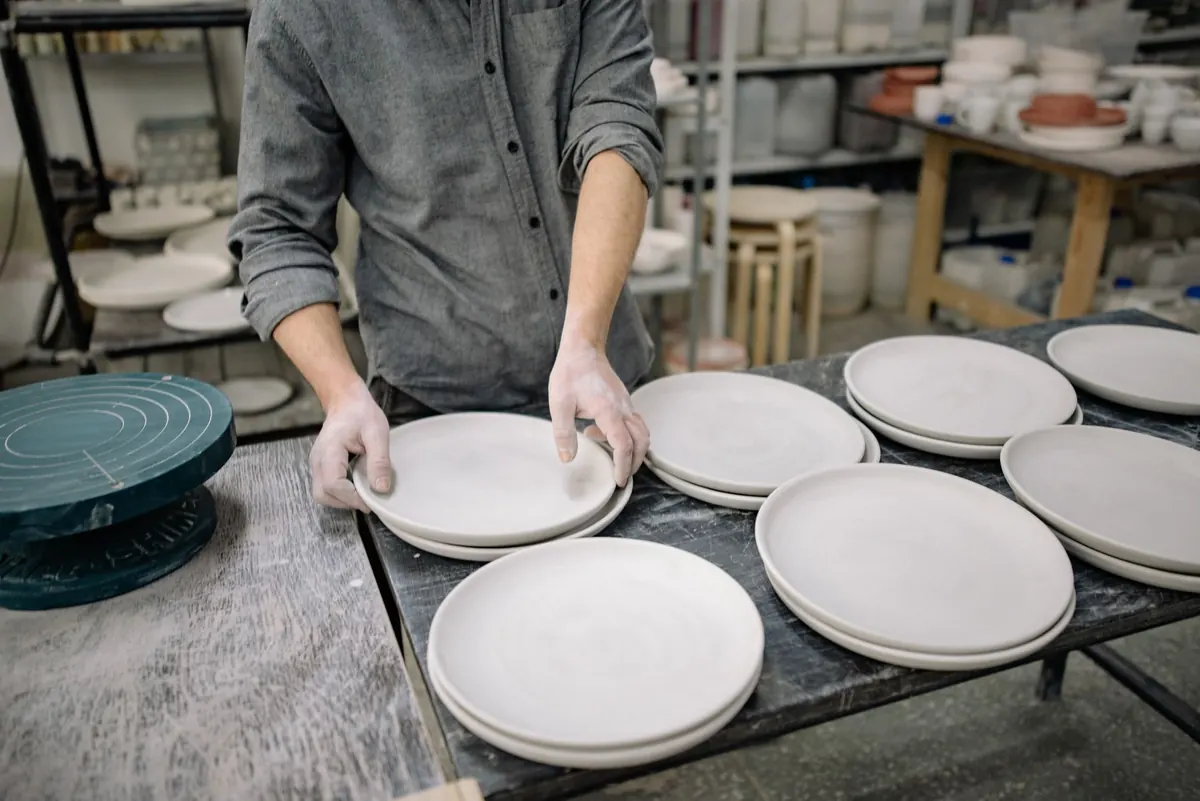
Fired clay, properly fired, is dense and tough. Glazed stoneware holds water, tolerates the dishwasher and shrugs off daily handling. That is why plates, mugs, planters and anything used near food or water are fired. There is no shortcut around this one.
Rough guide by project
- Air-dry: ornaments, keepsakes, beads, jewellery, small sculptures, model scenery, seasonal decorations.
- Kiln-fired: mugs, bowls, plates, planters with drainage holes, vases, soap dishes, tiles — anything meeting food or water.
- Either: indoor decorative sculpture, and prototypes you want to try before committing to clay and firing costs.
Finish and Appearance
Air-dry clay dries to a matte, faintly chalky surface. It takes acrylic paint beautifully and can be sanded smooth, carved, stamped or pressed with lace and leaves. Varnish or wax adds a soft sheen, though painted surfaces rarely look as deep as glaze.
Fired clay takes glaze, which is a craft in itself. You can dip, pour or brush it, and the kiln transforms it into glass — glossy, satin or matte, opaque or translucent. Colours come alive in a way acrylics do not quite manage, and the surface is genuinely waterproof.
The trade-off is control. Glaze can craze, run, blister or come out a different colour to the test tile you relied on, and results depend on how your particular kiln behaves. Air-dry clay is predictable. Fired clay is more beautiful and less obedient.
Shrinkage, Repairs and Other Practical Differences
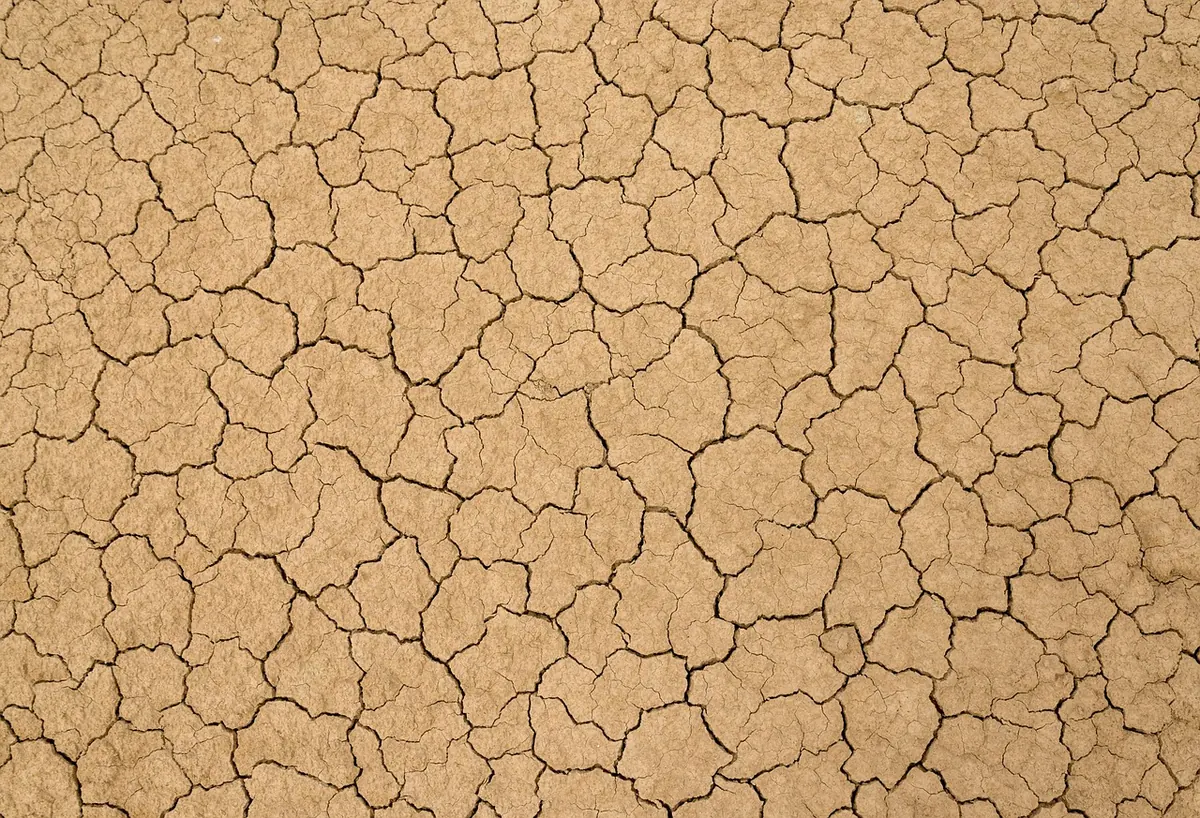
Both materials shrink, and both will surprise you if you do not plan for it. Air-dry clay loses volume as water leaves, so a rolled slab can pull away from a template or curl at the edges. Fired clay shrinks twice: once while drying, once in the kiln, and some bodies move more than others.
Keep a test tile. Roll or throw a small sample, mark a 10cm line on it while it is still damp, and measure again afterwards. That single habit saves more heartbreak than any other tip here.
Repairs differ too. Air-dry clay can be mended with slip or a dab of water while it is still damp; once dry, you are mixing glue. Dry fired clay can be joined with slip and a scratch-and-slip technique before the first firing, but after bisque firing you are back to epoxy. Handle greenware gently — it is the most fragile stage of the whole process.
One safety note: sanding air-dry clay or mixing dry clay creates fine dust. Wear a mask, work in a ventilated space, and never rinse clay down the sink — it sets hard in pipes.
A Simple Way to Decide
Three questions settle it, and they are the ones to ask before you spend anything.
- Will it touch water or food, or live outdoors? Then it has to be fired. No sealant makes an air-dry bowl safe for cereal or happy on a frosty balcony.
- Can you realistically get it fired? Firing fees, travel to a studio and waiting weeks for a kiln opening are all part of the project. If that friction sounds like too much, choose air-dry clay and enjoy it for what it is.
- How long does it need to last? A decoration for one Christmas behaves very differently from a mug you will use every morning for a decade.
If you are still torn, do both. Make a small piece in air-dry clay first to test the shape, the proportions and how long the making actually takes. Then take an evening class and repeat it in stoneware. That comparison will teach you more in one weekend than any amount of reading, and you will know exactly which bag to pick up next time.
Photo: oleg_mit / Pixabay